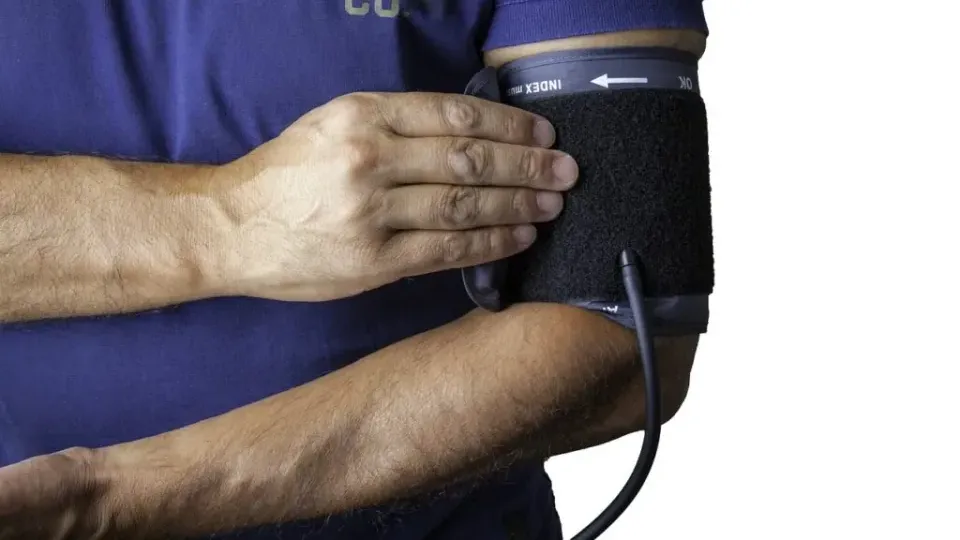
High blood pressure, also called hypertension, often has no obvious symptoms. A check is the way to find out whether your readings are high. One reading is useful information, but it does not usually establish a diagnosis on its own.
What do the two numbers mean?
The first number is the pressure as your heart pumps. The second is the pressure between beats. Both are measured in millimetres of mercury (mmHg). The NHS blood pressure test guide gives different thresholds depending on where the measurement is taken:
- Clinic or pharmacy: a reading of 140/90 mmHg or higher is usually considered high.
- At home: 135/85 mmHg or higher is usually considered high. A clinician may use an average of several readings, not just the highest one.
These are general thresholds, not personal treatment targets. Ask your clinician which range applies to you if you already take blood pressure medicine, are pregnant, or have another condition that affects your care.
What happens after a raised reading?
The pharmacist or GP may repeat the measurement and recommend home monitoring or a 24-hour ambulatory monitor. If you already check at home, bring a record of your readings and the times you took them. Do not stop or change prescribed treatment on the basis of one result.
What can help lower blood pressure?
The NHS high blood pressure guide recommends reducing salt, eating a balanced diet, staying active and limiting alcohol. For practical changes, start by comparing salt on food labels and choosing lower-salt alternatives. Medicines may also be needed; the right treatment depends on your overall health.
Who can get a check in Shirley?
Many pharmacies offer a free NHS check to eligible people aged 40 or over. If you already have a diagnosis, ask the pharmacy whether a routine check is appropriate or whether to use your GP's monitoring plan. See our blood pressure check service for the local pathway and how to arrange a visit.
When to get urgent help
Do not wait for a pharmacy check if you have symptoms of a medical emergency, such as suspected heart attack or stroke. Call 999. If you are worried about a high reading or new symptoms and are not sure what to do, contact your GP or NHS 111 for advice.